Places to visit in Jodhpur

Places to visit in Jodhpur

The Enchanting Blue City of Rajasthan: Discover the Best Places to Visit Jodhpur

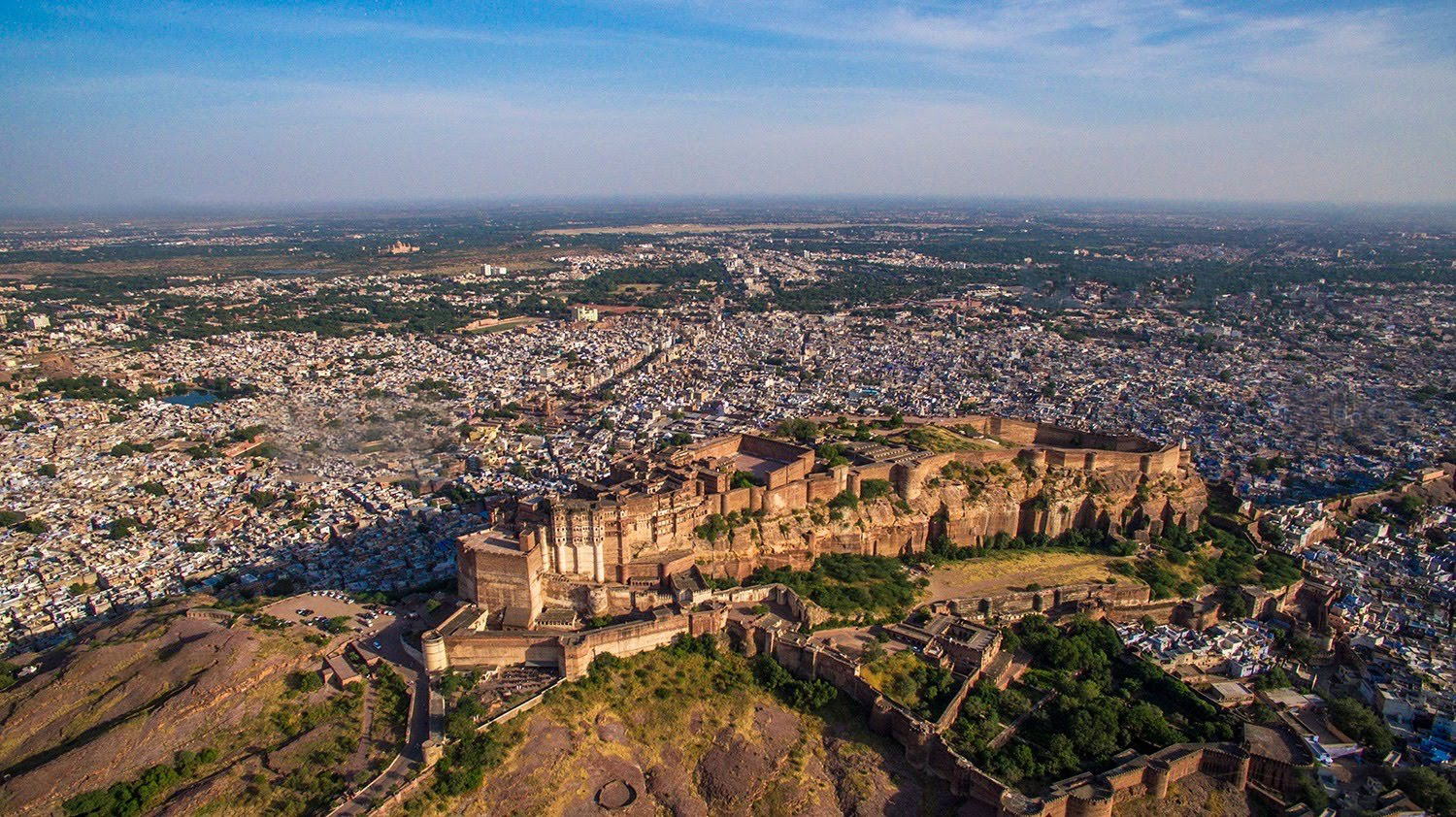
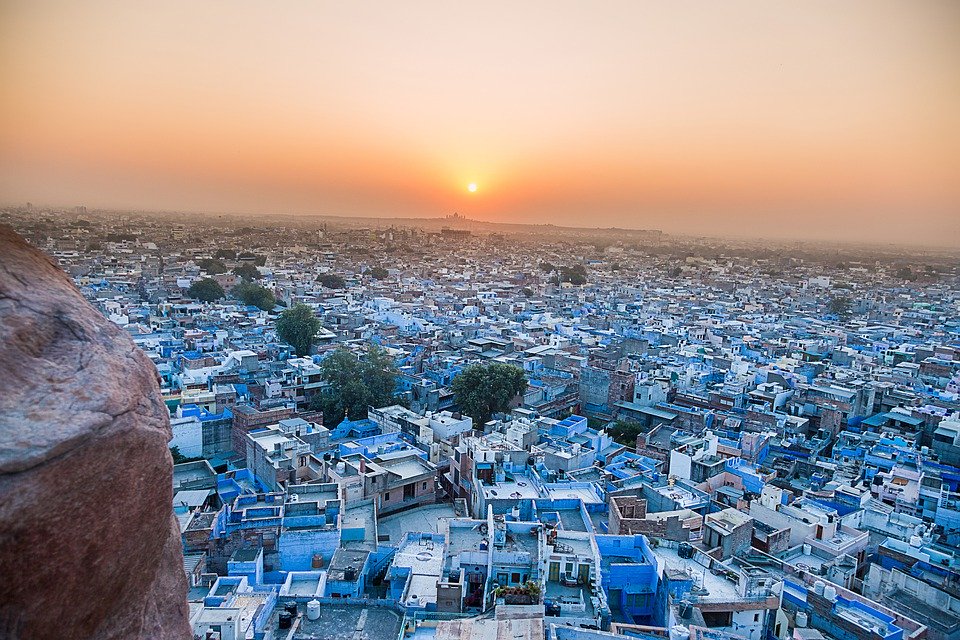
Sitting on the edge of the Thar Desert, Jodhpur, fondly known as the “Blue City,” is a vibrant destination steeped in history, culture, and architectural brilliance. Famous for its striking blue-painted houses that cascade down from the formidable Mehrangarh Fort, the city exudes a charm that captivates every traveller. As Rajasthan’s second-largest city, Jodhpur is a treasure trove of historical landmarks, bustling markets, and unique cultural experiences.

Dominating the skyline, the majestic Mehrangarh Fort stands as a testament to the valour of the Rathore rulers. Inside, it houses exquisite palaces, museums, and temples, offering panoramic views of the city below. The bustling streets lead to architectural marvels like the Umaid Bhawan Palace, a blend of heritage and luxury, and the intricately designed Jaswant Thada, a marble cenotaph.

Beyond its monuments, Jodhpur invites you to explore vibrant bazaars like Sardar Market, where you can shop for textiles, handicrafts, and spices while immersing yourself in the city’s lively atmosphere. The culinary delights, from spicy mirchi vadas to sweet makhania lassi, further enrich the experience.

Whether you’re drawn by history, adventure, or culture, Jodhpur promises an unforgettable journey into the heart of Rajasthan’s regal heritage..

Places to visit in Jodhpur
Meherangarh Fort

The Rich History of Jodhpur

Jodhpur, often called the “Blue City” or the “Gateway to Thar,” boasts a history as vibrant as its iconic blue-painted houses. Founded in 1459 by Rao Jodha, the chief of the Rathore clan, the city was established as the capital of the Marwar Kingdom. Rao Jodha chose the strategic location near the Thar Desert, building the formidable Mehrangarh Fort atop a rocky hill to protect his people from invaders.

The city’s origins trace back to the Rathore dynasty, who were originally rulers of Kannauj but migrated to Marwar after being displaced by the Delhi Sultanate. Under the Rathores, Jodhpur flourished as a prominent trade hub on the ancient Silk Road, dealing in opium, silk, and sandalwood. Its strategic position helped it develop as a centre of commerce and culture.

Places to visit in Jodhpur

During the Mughal era, Jodhpur enjoyed a period of relative stability, as its rulers often allied with the Mughals through matrimonial and political ties. Later, under British colonial rule, Jodhpur became one of the largest princely states in Rajputana.

Today, Jodhpur is a living museum of its regal past, with the majestic Mehrangarh Fort, Umaid Bhawan Palace, and ancient temples narrating tales of valour, prosperity, and cultural grandeur.

Getting To, From, and Around Jodhpur

Jodhpur is well-connected by air, rail, and road, making travel convenient. The Jodhpur Airport offers domestic flights from major cities like Delhi, Mumbai, and Jaipur. By train, Jodhpur Junction is a key station on India’s rail network, with direct connections to cities such as Delhi, Jaipur, and Ahmedabad.

For road travel, the city is accessible via national highways, with buses and taxis linking nearby destinations like Udaipur and Jaisalmer.

To explore Jodhpur, hire auto-rickshaws, taxis, or app-based cabs. For a more immersive experience, walking through its narrow lanes and vibrant markets offers a closer glimpse into the city’s charm.

Best Time to Visit Jodhpur

The best time to visit Jodhpur is during the winter months, from October to March, when the weather is cool and pleasant, making it ideal for exploring the city’s landmarks like Mehrangarh Fort, Umaid Bhawan Palace, and the bustling Sardar Market. Daytime temperatures range between 10°C and 25°C, perfect for sightseeing and outdoor activities.

The Marwar Festival, celebrated in October, adds a cultural flair with folk music, dance, and camel events. Summers (April to June) are scorching, with temperatures exceeding 40°C, while the monsoon season (July to September) brings brief rains, adding a refreshing charm to the city’s desert-scape.

Best Places to Visit Jodhpur

Mehrangarh Fort: Jodhpur’s Majestic Landmark

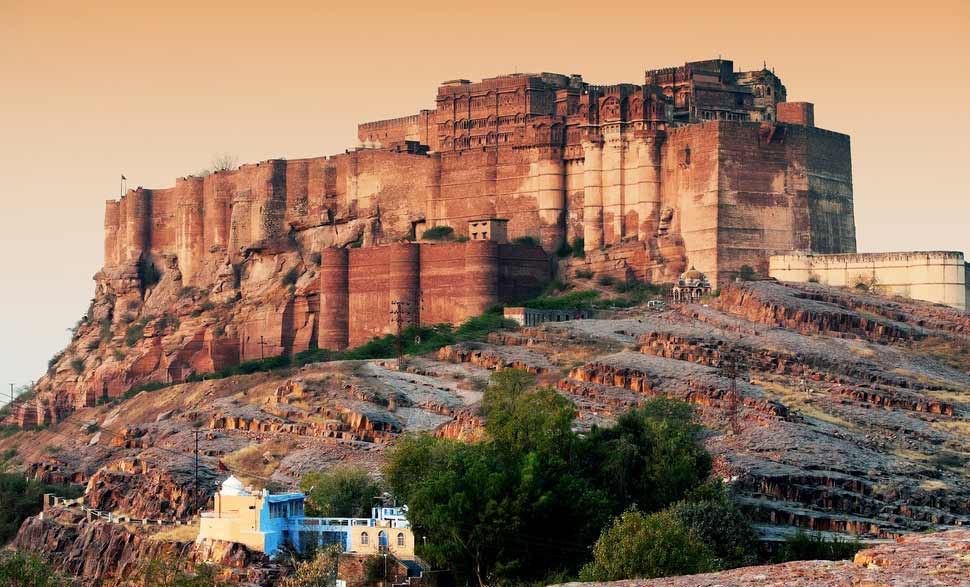
Perched on a towering hill, Mehrangarh Fort is Jodhpur’s most iconic landmark and a testament to its rich heritage. Built in 1459 by Rao Jodha, the fort dominates the city’s skyline with its massive walls and imposing architecture. Known as one of India’s largest and best-preserved forts, it offers stunning panoramic views of Jodhpur, including the famous blue houses that surround it.

Inside the fort, visitors can explore beautifully crafted palaces like Phool Mahal (Flower Palace) and Sheesh Mahal (Mirror Palace), each showcasing intricate carvings, frescoes, and royal opulence. The Mehrangarh Museum houses an impressive collection of artefacts, including armoury, paintings, and royal cradles, offering a glimpse into Rajasthan’s regal past.

The fort’s massive gates, marked with cannonball imprints, narrate tales of historic battles, while its temples and courtyards provide tranquil spots for reflection.

 Mehrangarh-Fort
Meherangarh Fort

Mehrangarh Fort is a must-visit for history buffs, architecture enthusiasts, and anyone seeking to immerse themselves in Jodhpur’s grandeur.

Jaswant Thada: The Marble Marvel of Jodhpur

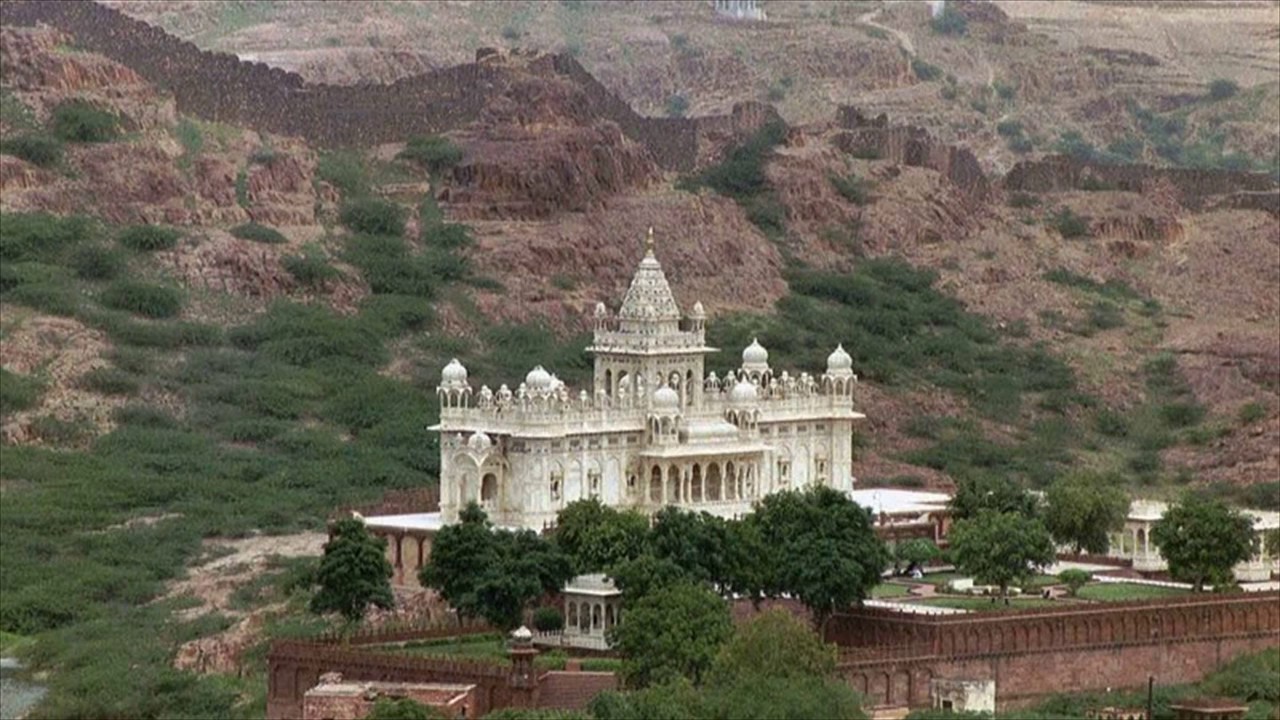
Nestled near Mehrangarh Fort, Jaswant Thada is a stunning white marble cenotaph built in 1899 in memory of Maharaja Jaswant Singh II. Often referred to as the “Taj Mahal of Marwar,” this architectural masterpiece is a serene and enchanting spot that offers a glimpse into Jodhpur’s royal heritage.

The cenotaph features intricately carved marble sheets that are so finely polished they emit a soft glow when sunlight filters through. The serene surroundings include lush gardens, a small lake, and gazebos, creating a peaceful retreat away from the city’s hustle.

Inside, visitors can explore portraits of Jodhpur’s rulers and learn about the history of the Marwar dynasty. The site also offers breathtaking views of Mehrangarh Fort and the surrounding cityscape.

Jaswant Thada is a must for its serene ambiance, architectural brilliance, and the fascinating royal history it represents.

Places to visit in Jodhpur
Jaswant Thada

Umaid Bhawan Palace: Jodhpur’s Royal Jewel

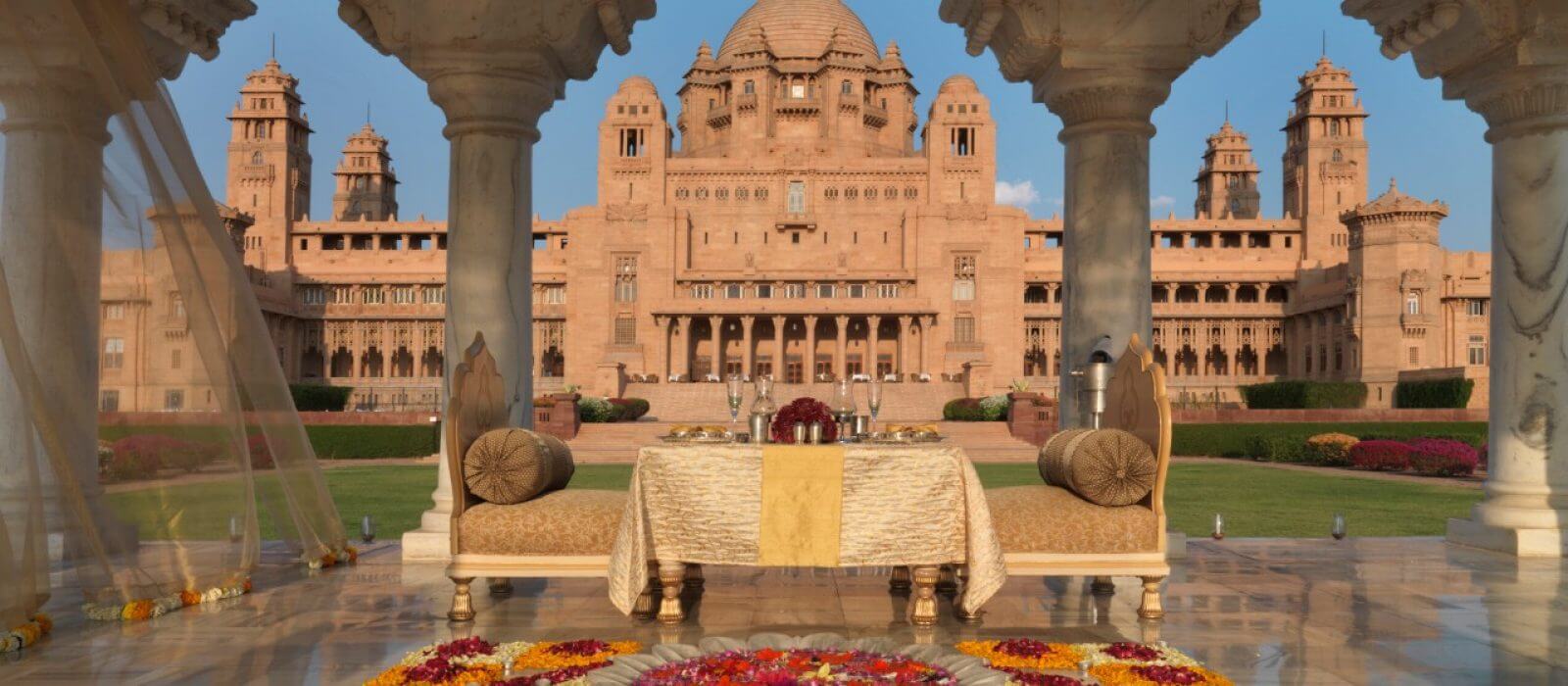
Umaid Bhawan Palace, a symbol of Jodhpur’s grandeur, is a stunning blend of history, luxury, and architectural brilliance. Built between 1928 and 1943 by Maharaja Umaid Singh, the palace was constructed to provide employment during a famine, making it an emblem of benevolence and resilience.

Set atop Chittar Hill, the palace is one of the world’s largest private residences and is divided into three sections: the royal family’s residence, a luxury Taj Hotel, and a museum. The museum offers a fascinating glimpse into the royal legacy, showcasing vintage cars, clocks, photographs, and royal artefacts.

Guests staying at the Taj Umaid Bhawan Palace can indulge in opulent rooms, fine dining, and impeccable hospitality, while day visitors can marvel at the palace’s Art Deco and Indo-Saracenic architecture.

With its sprawling gardens and panoramic views of Jodhpur, Umaid Bhawan Palace is a must-visit for anyone exploring the city’s regal charm.

 Taj Umaid Bhawan Palace
Umaid Bhawan Palace

Mandore: Jodhpur’s Historical Gem

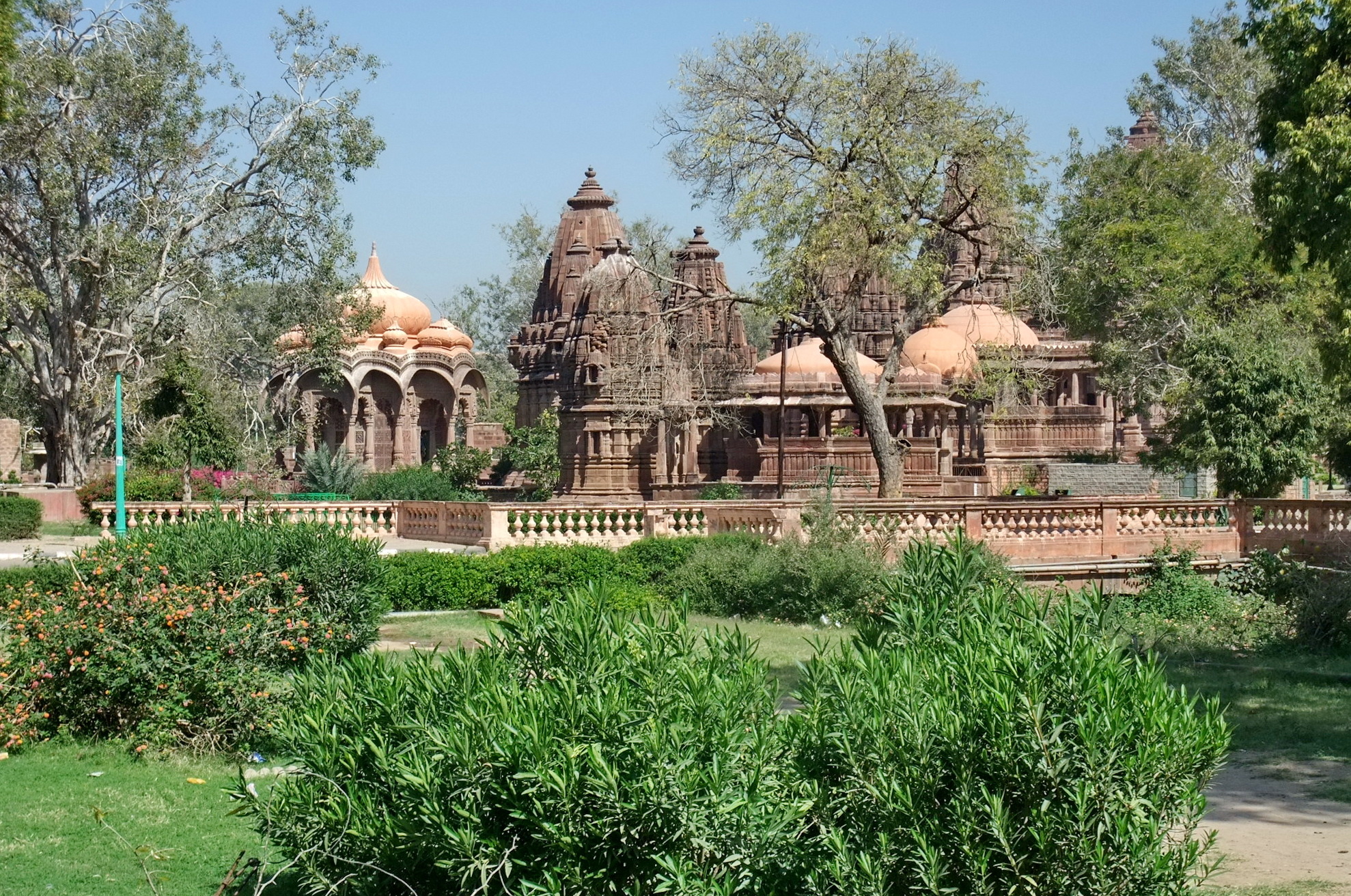
Located just 9 kilometres from Jodhpur, Mandore is a treasure trove of history and architectural beauty. Once the capital of the Marwar Kingdom before Jodhpur, Mandore is renowned for its historic Mandore Gardens, which house intricately carved cenotaphs (chhatris) of Marwar’s former rulers. These cenotaphs, built in red sandstone, are a unique blend of Rajput and Mughal architectural styles and stand as a testament to the region’s regal past.

The gardens also feature lush greenery, ancient temples, and a museum showcasing artefacts and relics of Mandore’s history. The Hall of Heroes is another highlight, dedicated to Rajput folk heroes and adorned with colourful murals and statues.

Visitors can also explore the Temple of 33 Crore Gods, a shrine dedicated to the Hindu pantheon. Mandore offers a tranquil escape from the bustling city, making it a must-visit for history enthusiasts and nature lovers alike.

Mandore Garden
Mandore Garden

Visiting the Clock Tower: A Landmark in Jodhpur’s Heart

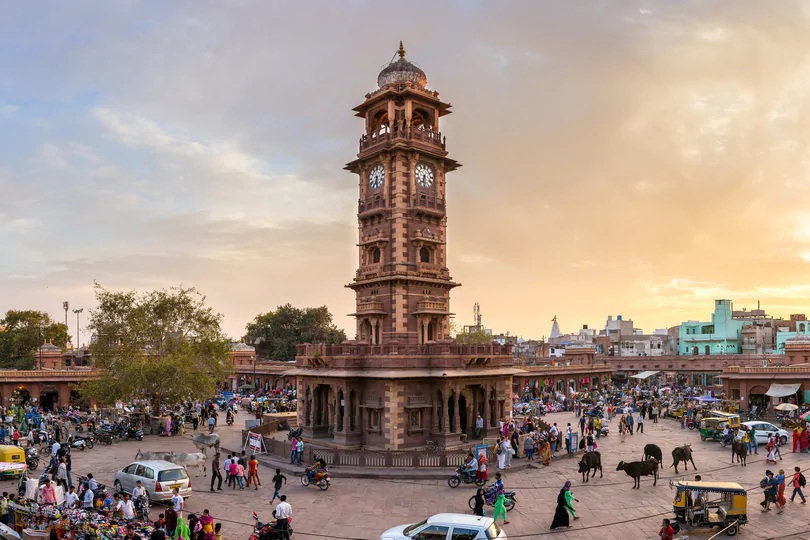
The Clock Tower, or Ghanta Ghar, is a historic landmark located in the bustling heart of Jodhpur. Built by Maharaja Sardar Singh in the late 19th century, this iconic structure stands as a symbol of the city’s rich heritage and vibrant culture.

The tower’s striking architecture, featuring intricate carvings and a grand clock face, makes it a must-visit attraction. Surrounding the Clock Tower is the lively Sardar Market, a hub of activity where locals and tourists alike browse through stalls offering everything from colourful textiles and handcrafted jewellery to aromatic spices and traditional Rajasthani snacks.

The area is a feast for the senses, with its vibrant colours, enticing aromas, and the hum of daily life. Whether you’re shopping, sampling local street food, or simply soaking in the lively atmosphere, a visit to the Clock Tower is an essential part of exploring Jodhpur.

Clock tower on Jodhpur

Exploring the Bazaars of Jodhpur: A Shopper’s Delight

The bustling bazaars of Jodhpur are a vibrant reflection of the city’s culture, craftsmanship, and lively spirit. A visit to these markets is a sensory journey filled with colourful sights, aromatic spices, and the sounds of local life.

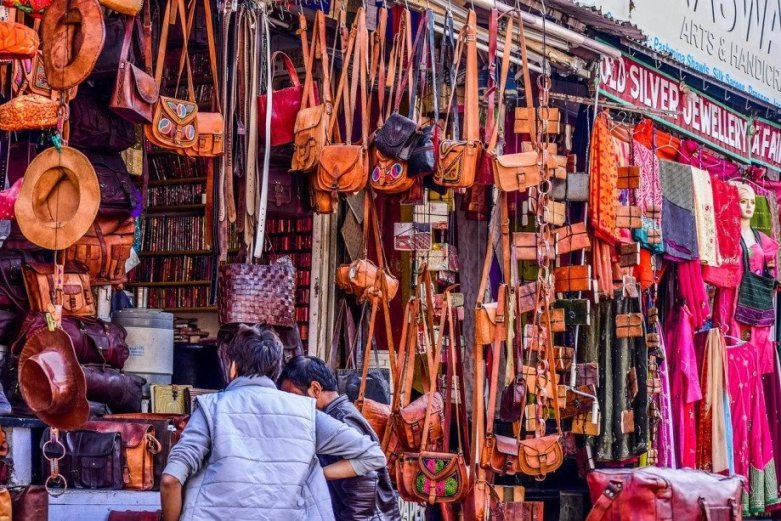
Sardar Market, located near the iconic Clock Tower, is a must-visit for its wide array of goods, including vibrant textiles, handcrafted leather goods, traditional mojris (shoes), and aromatic spices. This lively market is perfect for soaking in the essence of Jodhpur’s daily life while hunting for souvenirs.

For antique lovers, Kapraa Bazaar offers exquisite jewellery, vintage artefacts, and traditional accessories, while Mochi Bazaar specialises in Jodhpur’s famous handcrafted footwear.

Beyond shopping, the bazaars are an excellent place to savour local street food, such as mirchi vadas and kachoris, adding a culinary adventure to your visit.

Jodhpur’s bazaars are not just markets—they’re a cultural experience that immerses you in the city’s vibrant heritage.

Markets of Jodhpur

Toorji Ka Jhalra (Stepwell): A Hidden Gem of Jodhpur

Toorji Ka Jhalra, also known as the Toorji Stepwell, is a captivating architectural marvel in Jodhpur that reflects the city’s rich history and ingenious water management systems. Built in the 18th century by Queen Maharaja Abhay Singh’s consort, this stepwell was designed to provide water to the local community.

The stepwell features intricately carved sandstone steps leading down to the water level, showcasing the exquisite craftsmanship of the time. Over the years, it fell into disuse but has been beautifully restored, making it a serene and photogenic spot.

Visitors can admire the geometric beauty of the structure, which changes with the play of sunlight and shadows throughout the day. Its surroundings are dotted with cafes and boutique shops, offering a delightful place to relax.

Toorji Ka Jhalra is a must-visit for history buffs, architecture enthusiasts, and anyone seeking a peaceful escape in the heart of Jodhpur.

We hope our blog on the best places to visit in Pushkar and other travel information will help to plan your trip to Jodhpur. Please do not hesitate to write us for any information of questions.

Cultural Performances in Jodhpur: A Celebration of Tradition

Jodhpur is not only known for its majestic forts and palaces but also for its rich cultural heritage, which comes alive through mesmerising performances and traditional music. Visitors can immerse themselves in the soul of Rajasthan by attending vibrant folk music and dance shows featuring instruments like the sarangi, khartal, and dholak, accompanied by dances such as Kalbelia and Ghoomar.

The Rajasthan International Folk Festival (RIFF) at Mehrangarh Fort is a must-see event, bringing together local and international artists in a spectacular celebration of folk traditions every October. Many heritage hotels, like Ajit Bhawanand Umaid Bhawan Palace, also organise private performances, offering an intimate cultural experience.For an enchanting desert ambiance, nearby Osian Camel Camps host traditional music and dance shows under the stars. These performances are a highlight of any Jodhpur visit, providing a deeper connection to Rajasthan’s vibrant culture.

Where to Stay in Jodhpur: Top Recommendations

Jodhpur offers a range of accommodations that reflect the city’s royal heritage, from luxurious palaces to charming boutique hotels. Whether you’re seeking opulence or a cozy stay, here are some top recommendations:

Hotel Pal Haveli: Located near the bustling Sardar Market, this heritage haveli offers a charming blend of history and comfort. Its intricately designed interiors and rooftop restaurant with stunning views of Mehrangarh Fort make it a favourite among travellers.

Hotel Ajit Bhawan: India’s first heritage hotel, Ajit Bhawan provides a regal stay with its vintage-style rooms and luxurious amenities. Surrounded by lush gardens, the property offers an authentic Rajasthani experience combined with modern comforts.

Hotel The Raas: Nestled in the heart of Jodhpur, The Raas is a boutique hotel that perfectly marries traditional architecture with contemporary design. Its serene ambiance, luxurious suites, and views of Mehrangarh Fort make it a standout choice.Hotel Taj Umaid Bhawan Palace: For unparalleled luxury, stay at this iconic palace-turned-hotel. Built in the 20th century, the Taj Umaid Bhawan Palace offers grand suites, world-class dining, and impeccable service, making it one of Jodhpur’s most prestigious accommodations.
Each of these hotels ensures a memorable stay, capturing the essence of Jodhpur’s royal charm.

Discover the Heart of Rajasthan with Amazing Jodhpur

Jodhpur, with its mesmerising blend of history, culture, and architectural grandeur, is a city that truly captures the essence of Rajasthan. From the imposing Mehrangarh Fort to the tranquil Balsamand Lake, every corner of the “Blue City” tells a story of royal valour, artistic brilliance, and timeless beauty. The vibrant bazaars, where tradition meets craftsmanship, and the serene Toorji Ka Jhalra stepwell are just a few examples of the best places to visit in Jodhpur.

Beyond its monuments, Jodhpur offers immersive cultural experiences, from folk music and dance performances to its warm and welcoming culinary scene. Whether you’re exploring the bustling Clock Tower area or walking the eco-trails of Rao Jodha Desert Rock Park, Jodhpur is a city that promises unforgettable memories.

We specialise in crafting tailored travel packages to ensure you experience the best places to visit in Jodhpur. From luxury stays to cultural tours, let us design a journey that brings the magic of Jodhpur to life, just as you’ve dreamed it.

Our pages in French and Spanish

Planning a trip to India ? Get a free quote

We are glad that you preferred to contact us. Please fill our short form and one of our friendly team members will contact you back.


    Category of hotels
    3*4*5*Luxury
    Guide service during the visit of the monuments
    YesNo

    X
    GET A FREE QUOTE